
I am increasingly critical of writing as I get older. While television writing has improved overall in the last few decades, a lot of screenwriting is only tolerable because it passes quickly as the director moves from one scene to the next, and the visual and aural context predominate.
Novels are different. The writing is all there is. As a result, I am increasingly discerning about what I read. I am one of those people who has no trouble not finishing a novel that isn’t going anywhere or is going somewhere I don’t care to go.
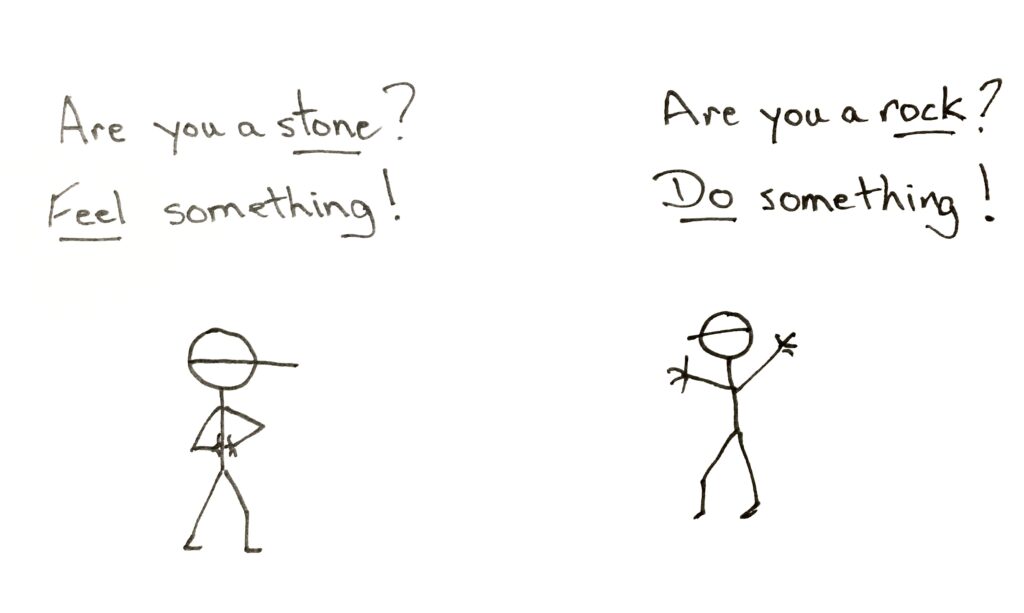
And I have discovered that going somewhere is vital for me. I want something to happen, I want to be curious, I want to be surprised, I want to be engaged in looking ahead at the consequences of conflicts and decisions. This sort of novel has a narrative landscape dominated by events and a journey of dynamic awareness.
The Big Question in this sort of novel from chapter to chapter is, “What are they going to do?”
There are a lot of people who don’t read that way. They are looking for depths of descriptions, depths of feelings, and depth of descriptions about feelings. The narrative landscape is dominated by emotion and the journey of affective awareness.
The Big Question from chapter to chapter is, “How are they going to feel?”
Of course, there’s lots of room to combine both, and good writers use characters to bridge the gap.
Writing is different from reading. I write with intent and my goal is to entertain, shock, surprise, or provoke using plot as my first, but not only, focus. The nameless reader for whom I am writing, that entity out there I am trying to satisfy because I cannot write for everyone, wants to know what happens next. They want to be shown, but they also want to participate, perhaps to see things that characters do not. I don’t mean solve a mystery, although mystery writers want to give readers the chance to do that, but rather to anticipate and then, I hope, to be pleasantly surprised even if the outcome is tragic.
And when feelings are involved, they are primarily shown by words and actions, not by pages of thoughtful description. Readers who want the other sort of novel, the one where internal dialogues and complex emotional development are paramount, won’t be satisfied by the thrust and parry of a plot-driven book. The thing is to keep them engaged by diving into the real emotional consequences of plot points and use them as motivation to drive the plot further.
Tricky stuff.
So, there are likely to be a lot of readers who don’t finish something I write because it doesn’t take a deep dive into the affective effects of all that plot.
That makes me feel bad. The question is, though, what will it make me do?