
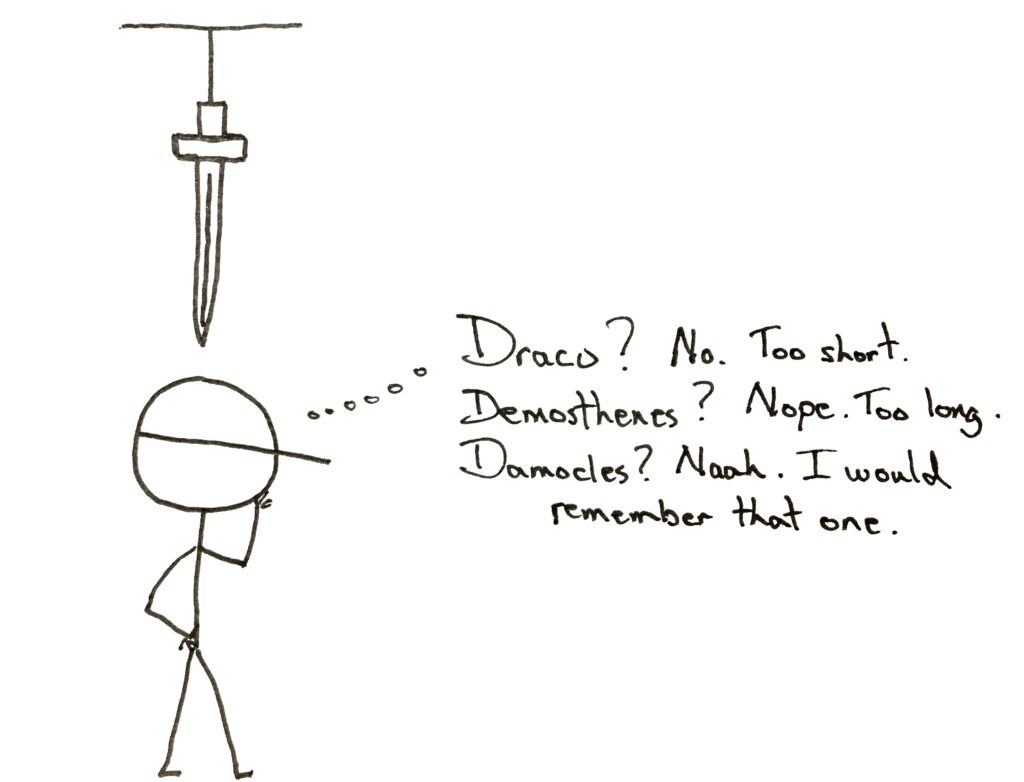
I know that I am not alone in reliving past blunders, small embarrassing mistakes in social situations that I cannot undo or get over. I re-embarrass myself repeatedly in my mind to no purpose at all. I just make myself unhappy. Did I really make that bad joke? Could I not have held that fart for just another minute?
Characters in novels make bad decisions all the time. Some of them might lead to disastrous, even traumatic results.
I can only imagine what it must be like to experience true trauma, how my memory might haunt me forever.
I believe in neither curses nor blessings, but reliving trauma is the curse of memory.
Of course, memory is also a blessing. We remember good things, happy things, triumphs and moments of joy as well as simple contentments and feelings of well-being. Sights, sounds, and smells can be remarkable triggers to activate memories we didn’t know we had, memories that help us understand that the past has a purpose, that to be is to have been.
And every time we remember something, we bring it to life, re-experience it, re-invent it even. That last part, invention, is a link to creativity. We fill in gaps in memory out of necessity and add details that never occurred or emphasis that may not be appropriate. Memories change and memory can become a capricious, even unfaithful servant. As we age we develop the habit of helping rather than relying upon our memory.
That’s not a bad thing, though, as an imperfect memory is probably the best kind. Remembering every instant of our lives, however mundane, triumphant, or traumatising, would be nightmarish, the stuff of science fiction-horror.
The enigma of memory lies in the necessity of both remembering and forgetting. If we don’t remember, we have dementia, and we’re in serious trouble. If we can’t forget, we are reliving trauma with every breath.
Good characters in novels have backstories. Good writers let characters forget things, and remember things from a point of view, and ignore things, with an overall effect that in some contexts, they are thoroughly unreliable.
Now, perfect action-hero characters never forget. That’s dull. (See Too Good to Be True ) Characters who forget important things are hard to believe as well. That’s frustrating.
Forgetting, though, for a writer can be a boon. Forget what you wrote last month and you can look at it with fresh eyes today. One hopes the result will not end in trauma.
